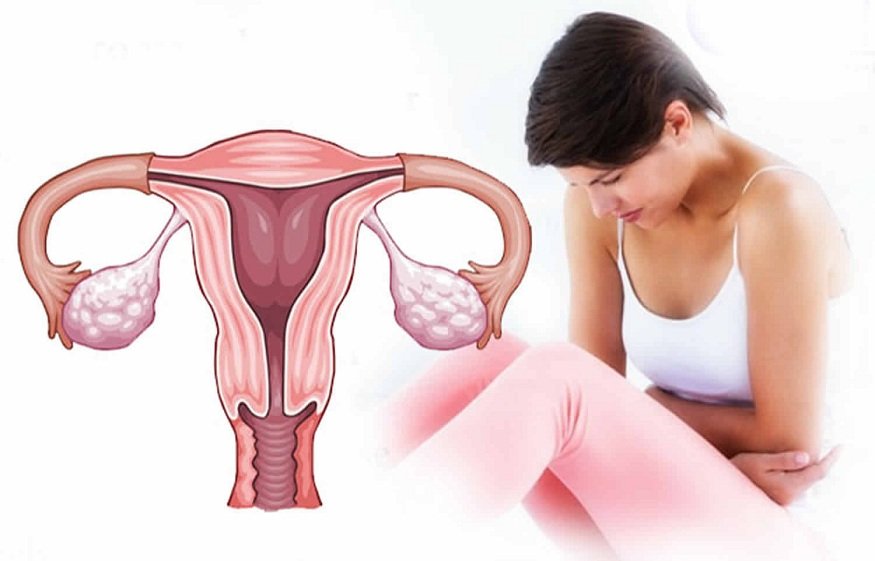
The uterus does far more than hold a baby. Over nine months, it stretches, thickens, and contracts, and any existing structural issue can start to show. Many uterine issues are manageable when they are found early, so knowing what they are helps expectant mothers ask the right questions at antenatal visits.
1. Uterine Fibroids
Fibroids are non-cancerous growths in the muscular wall of the uterus. They are seen in roughly 10% of pregnancies. Most stay small and cause no trouble, but larger ones can lead to pelvic pain, breech positioning, preterm labour or a higher chance of caesarean delivery. Sudden, sharp pain may mean a fibroid is breaking down and needs prompt medical attention.
2. Congenital Uterine Anomalies
Some women are born with a uterus that has a different shape, such as septate, bicornuate or unicornuate. Studies suggest around 5% of women have one. These shapes can raise the risk of miscarriage, preterm birth and a baby lying in an unusual position. A detailed ultrasound or MRI helps the doctor plan care.
3. Retroverted Uterus
A retroverted uterus tilts backwards instead of forward, and about one in five women has it. It is a normal variation and usually rises out of the pelvis by the end of the first trimester. Rarely, the uterus gets trapped under the pelvic bone. This is called incarceration and causes pain and difficulty passing urine, which needs quick treatment.
Read More: Andropause Explained: Practical Solutions from Tennessee Men’s Clinic Experts
4. Cervical Insufficiency
In this condition, the cervix begins to open too early, often without pain or contractions, usually in the second trimester. It can lead to late miscarriage or preterm birth. Women with a past history of such losses are often monitored with cervical length scans, and treatment may include a cervical stitch (cerclage) or progesterone.
5. Adenomyosis
Adenomyosis (also known as endometriosis interna or internal endometriosis) occurs when the tissue that lines the uterus grows into its muscular wall. Research links it with a higher likelihood of miscarriage, preterm birth, preeclampsia and restricted fetal growth. Many women still go on to have healthy pregnancies with closer monitoring.
6. Intrauterine Adhesions (Asherman’s Syndrome)
Scar tissue inside the uterine cavity, often following a D&C, infection or surgery, can interfere with how a pregnancy settles. It may be associated with miscarriage, preterm delivery and abnormal placental attachment. Many cases are treated with hysteroscopic surgery before conception, and later pregnancies need careful follow-up.
7. Uterine Rupture
This is rare but serious. It is a tear in the uterine wall, most often along a previous caesarean or surgical scar during labour. The risk is 0.5% in women attempting vaginal birth after one prior caesarean. Warning signs include severe abdominal pain, a sudden change in contractions, vaginal bleeding and a drop in the baby’s heart rate. It requires emergency care.
Read More: Choosing the Right Multivitamin Tablets for Weakness and Tiredness
When to Seek Medical Advice
Persistent pelvic pain, bleeding, fluid leakage or reduced baby movements should never be ignored. Regular antenatal scans, a complete record of past surgeries and open discussion with your obstetrician allow most of these conditions to be handled safely. Hospitals such as Apollo Cradle & Children’s Hospital offer high-risk pregnancy care with advanced imaging and specialist support, with famous gynaecologists in Bangalore, Chennai, Hyderabad, and other cities.