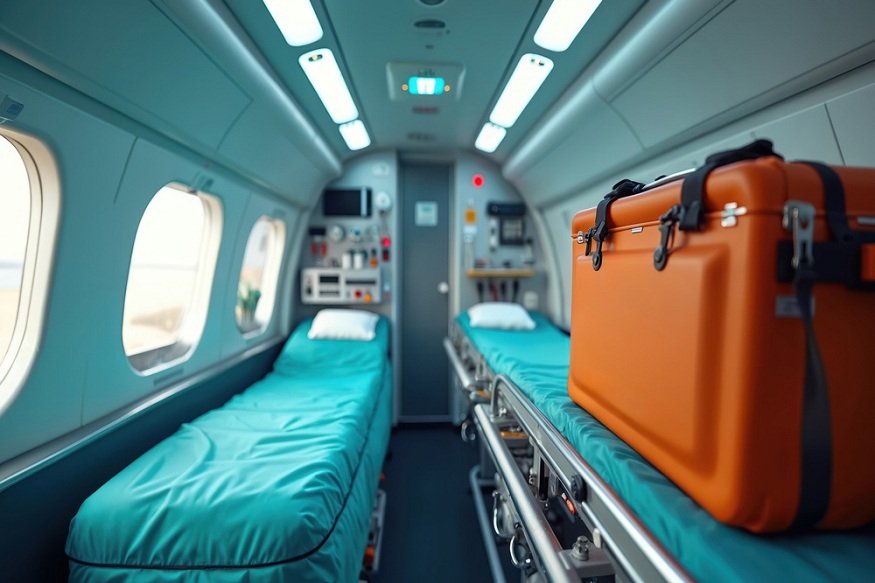
Air medical crews land in spots most folks would never choose. Busy highways. Muddy fields. The ragged edge of a disaster zone. The mission never changes much. Get to the patient quickly, then rush that person to a hospital while there is still time. Doing all this safely means someone had to build the aircraft with a few grim questions already answered. What if a storm rolls in? What if the landing goes sideways? Good designs ease concerns.
Why Worst-Case Thinking Matters
The truth is that most flights go fine. Nothing breaks. Nobody panics. That calm record can trick people into designing for blue skies. Sharp engineers know better. They build for the one brutal shift when three things fail together, because eventually that shift shows up on the schedule. Planning for the ugly stuff gives the whole team a little cushion. The pilot feels it. The medics feel it. So does the patient lying on the stretcher, even if nobody says a word about it. This habit shapes every call the designers make – down to the bolts under a seat.
Read More: Latakasthuri Oil: The Ultimate Aromatherapy for a Calmer, Clearer Mind
Protecting the People on Board
Think about what rides in that cabin. A hurt patient, sometimes barely holding on. A crew doing careful work while the whole aircraft bucks and sways. Every tool has to stay locked down. A loose oxygen tank turns into a battering ram the instant the ride gets rough, and nobody wants that flying past their head. Solid mounts pin the stretcher, monitors, and supplies in place. Padding takes the sting out of a hard landing. Clear walkways let a paramedic grab gear without losing a second. These sound like small touches. During a bad moment, they decide how the story ends.
Building for Dangerous Environments
Some flights carry a different kind of danger. Crews occasionally head toward conflict areas or shaky ground where the threat comes from below, not above. Those runs demand more. Ballistic armor for aircraft steps in right here. Companies like LifePort bring serious talent to crafting these protective systems and broader air medical solutions for the crews depending on them. Their work hands aircrews a real edge against dangers that a normal flight never has to think about.
Armor is heavy, though. Weight wrestles with speed and fuel every step of the way. Pile on too much and the aircraft drags or leaves gear behind. So engineers chase the sweet spot where safety and performance finally meet.
Testing Under Pressure
A design is unproven until tested. Before any system flies, it gets slammed on crash sleds and rattled on shake tables. Engineers watch for the cracks. Then they dig into why it failed, fix the weak point, and wreck it again. Round after round, the aircraft toughens up. The gear withstands extreme conditions before any flight.
Small Choices, Big Results
The worst-case mindset lives in the tiny details. A latch that will not pop under stress. A panel that eats a jolt. None of it grabs attention on a quiet day. Each piece just waits there, patient, until the moment it finally proves its worth. The builders understand that. One missed flaw could cost somebody their life, so they obsess over parts the rest of us will never notice.
Read More: Hair Loss Treatment & Hair Thinning Treatment at Victoria Rose Aesthetics in Pickering
Conclusion
This kind of work leans hard on people and machines alike. Crews trust their own safety, and their patients’ too, to whatever surrounds them in that cabin. That trust starts with choices made long before the rotors spin up. Build for the worst day imaginable, and you hand these teams the nerve to face danger without flinching. Great design never brags about itself. It simply holds when everything else lets go.